Shopping Cart
Empty
Your cart is empty
Add some products to get started!ShapeEndo's proprietary heat treatment technology transforms ordinary nickel-titanium into superior endodontic instruments that redefine the shaping potential of the instrument.
Nickel-titanium (NiTi) alloys possess unique properties that make them ideal for endodontic instruments. However, raw NiTi requires precise heat treatment to unlock its full potential.
Our proprietary heat treatment process transforms the molecular structure of the alloy, creating instruments with enhanced flexibility, superior fatigue resistance, and optimal cutting efficiency.
Peak treatment temperature
Raw nickel-titanium wire is precisely machined into the desired file geometry using advanced CNC technology.
Files undergo initial thermal conditioning to prepare the alloy structure for the main heat treatment cycle.
Controlled heating in a specialized furnace transforms the crystalline structure of the nickel-titanium alloy.
Immediate quenching locks in the desired metallurgical properties and prevents unwanted phase transformations.
Secondary heat treatment optimizes the balance between flexibility and strength for clinical performance.
Each batch undergoes rigorous testing for flexibility, fatigue resistance, and cutting efficiency.
Heat treatment controls the martensitic transformation temperature of NiTi alloys. This transformation is responsible for the superelastic behavior that allows files to bend significantly without permanent deformation.
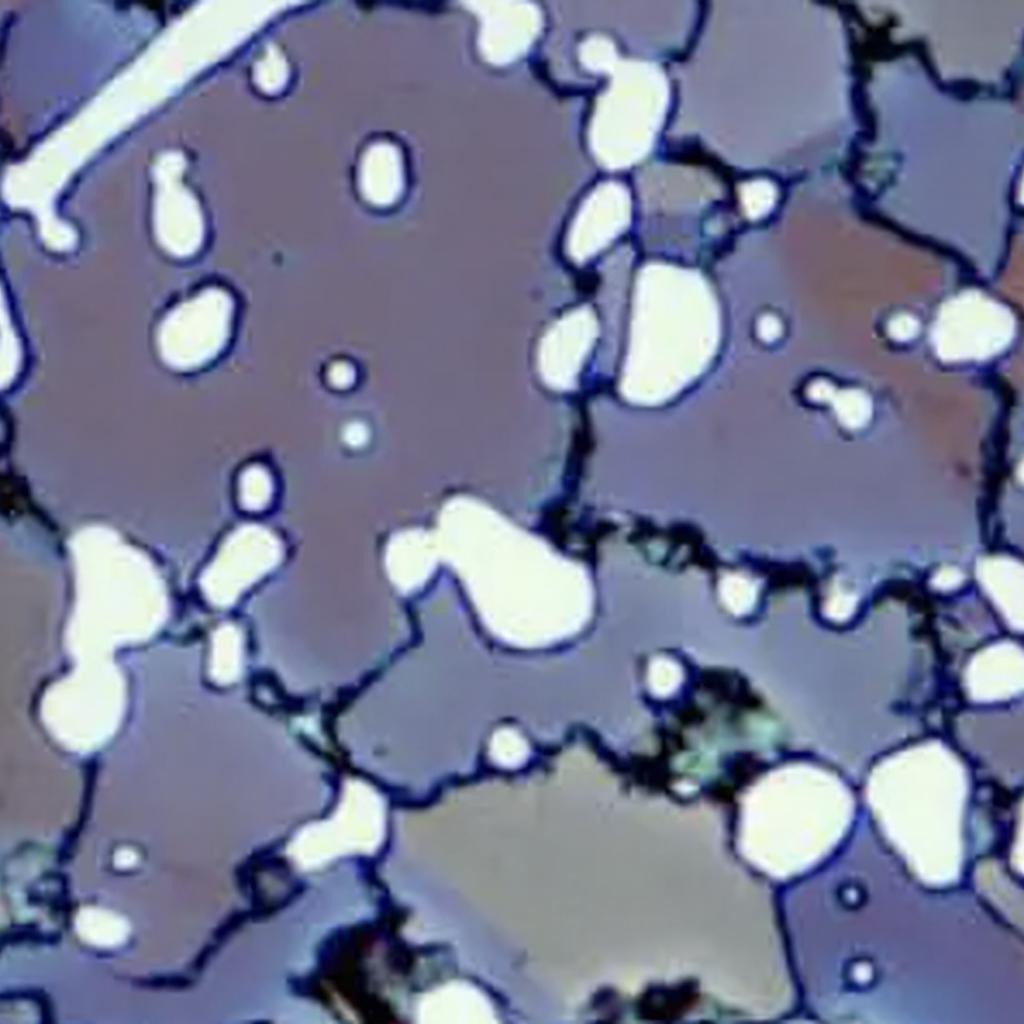
Controlled heating and cooling refines the grain structure of the alloy, eliminating stress concentrations and improving the overall mechanical properties of the finished instrument.
The heat treatment process eliminates residual stresses introduced during manufacturing, preventing premature failure and extending the service life of the instruments.
Precise temperature control creates an optimal surface finish that enhances cutting efficiency while reducing friction during clinical use.
Heat treatment transforms the molecular structure of nickel-titanium, creating files that can navigate curved canals with unprecedented flexibility while maintaining their original shape.
The controlled heating and cooling process significantly improves the file's resistance to cyclic fatigue, reducing the risk of instrument separation during clinical use.
Heat-treated files maintain their cutting edge longer and provide more efficient dentin removal, resulting in faster and more predictable procedures.
The heat treatment process enhances the superelastic properties of NiTi, allowing files to return to their pre-determined shape after deformation.